



 Pay a Ticket
 Get a Permit
 Pay a Water Bill



Across Doylestown Borough, and across the country, lawns and ornamental landscapes have quietly replaced the native plants that once supported wildlife and provided ecological benefits. While individual yards may seem small, together they make up a significant portion of Doylestown’s land. When those spaces don’t provide food or habitat, the entire local ecosystem feels the impact.
The good news? Every resident has the power to help reverse that trend.
By planting native species, even in a portion of your yard, you can provide the food and shelter that local wildlife depends on. When neighbors do the same, those individual efforts connect - creating a network of habitat that strengthens our whole community.
Together, we can rebuild the food web, reduce flooding and runoff, and put Doylestown on the map as a leader in restoring habitat - one yard at a time.
Why focus on native plants?
Native Plants…
1. Support Wildlife and Rebuild the Food Web
Native plants provide the food that local insects need to survive. Many insects can only eat the specific plants they evolved with and most non-native plants cannot feed them. Without insects, birds and other wildlife lose their primary food source. By planting native, you help rebuild the entire local food web, from caterpillars to songbirds.
2. Use Fewer Resources
Because native plants are adapted to our local climate and soils, they typically need less water, fertilizer, and pesticides once established. They’re lower maintenance overall - saving time and money.
3. Reduce Flooding and Standing Water
Native plants have deep root systems that absorb and filter rainwater. They help reduce stormwater runoff, prevent erosion, and decrease flooding and puddling in yards and neighborhoods - protecting our local streams and groundwater.
4. Help Address Climate Change
Deep roots store carbon in the soil and improve soil health, helping reduce climate impacts over time.
5. Preserve Our Community’s Natural Character
Native plants reflect the landscapes of Bucks County and provide year-round beauty, from spring blooms to winter seed heads.
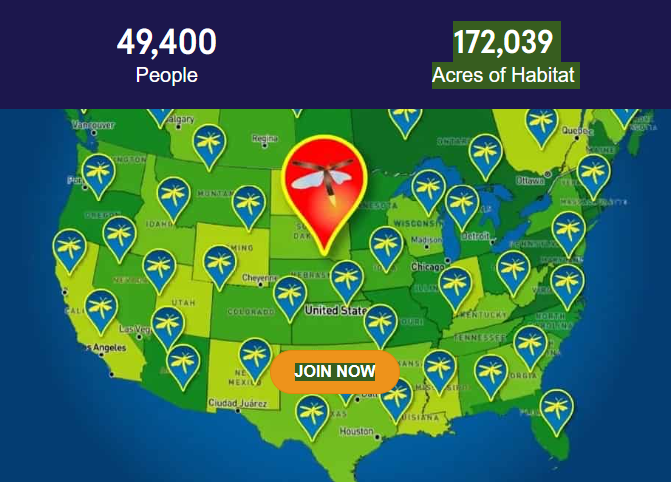
Help Us Put Doylestown on the Map: Join Homegrown National Park
Understanding that National Parks alone are too fragmented to offer the habitats necessary for native species, the homegrown program was launched. This program pushes a bottom-up call for everyday people to transform their own green spaces with native plantings and invasives removal. To join, all you need to do is get to work on restoring biodiversity on your property. Once complete, you can register your efforts on an online interactive map and join tens-of-thousands of others in creating a "Homegrown National Park!"
Learn more here: https://homegrownnationalpark.org/
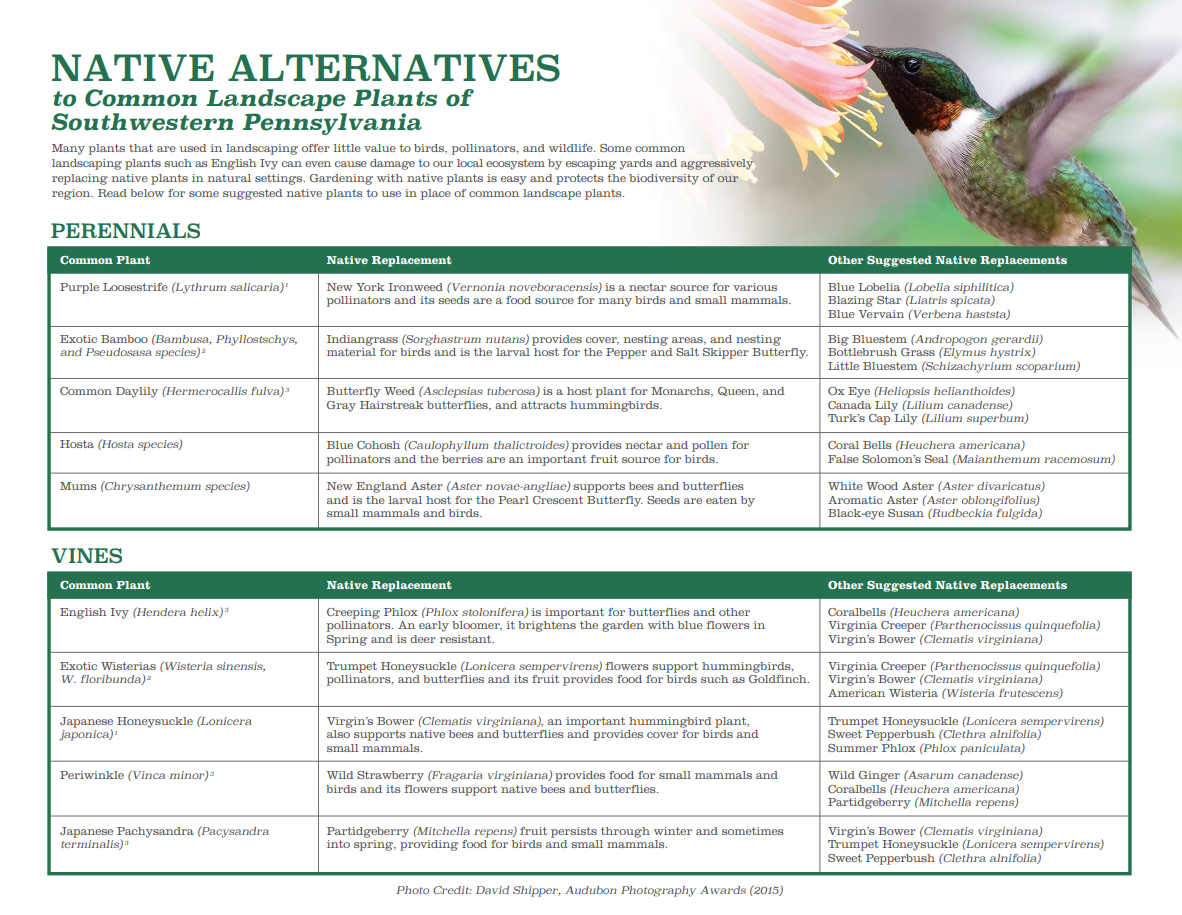
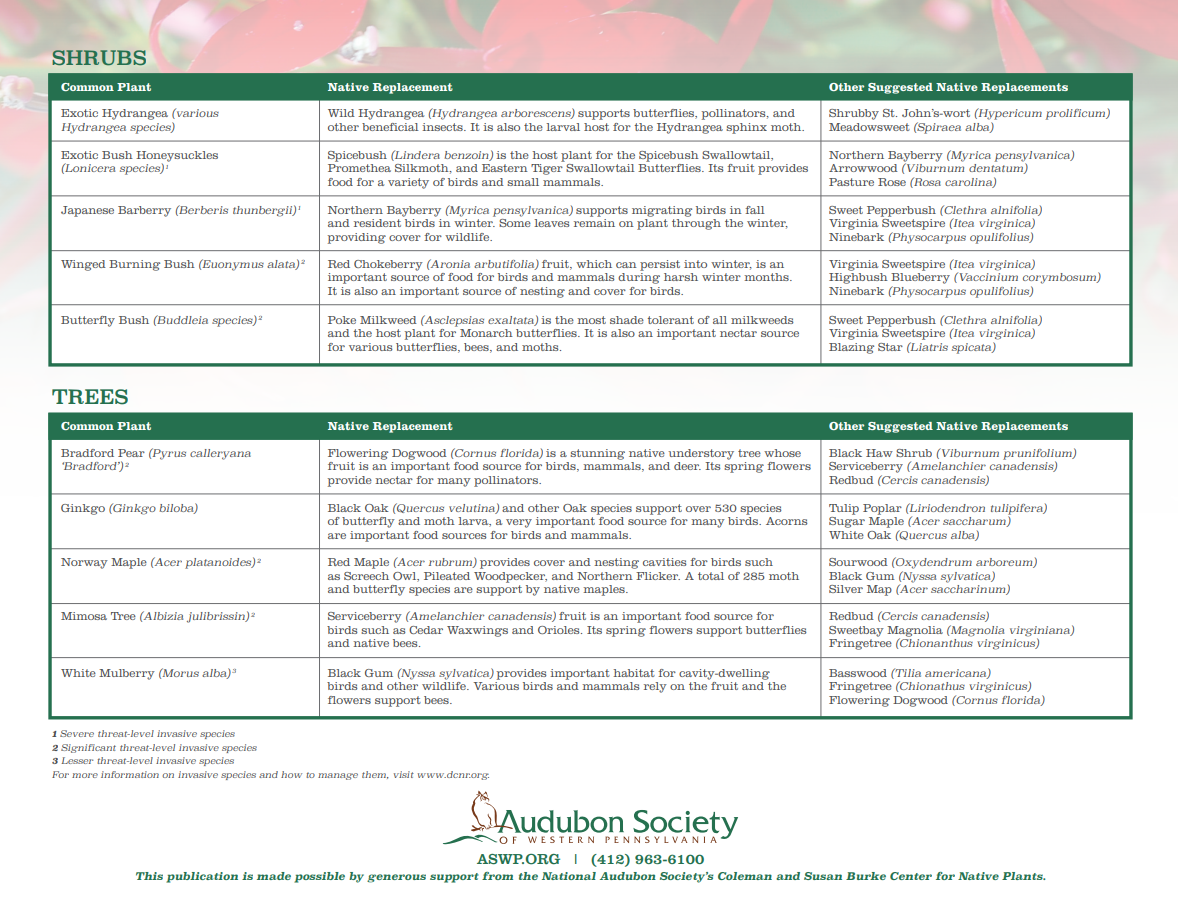
Plant This, Not That: Native Alternatives to Common Landscape Plants